Demand to slow down AI, debate intensifies among technology experts
Published 8 hours ago | By Nouman Shakeel
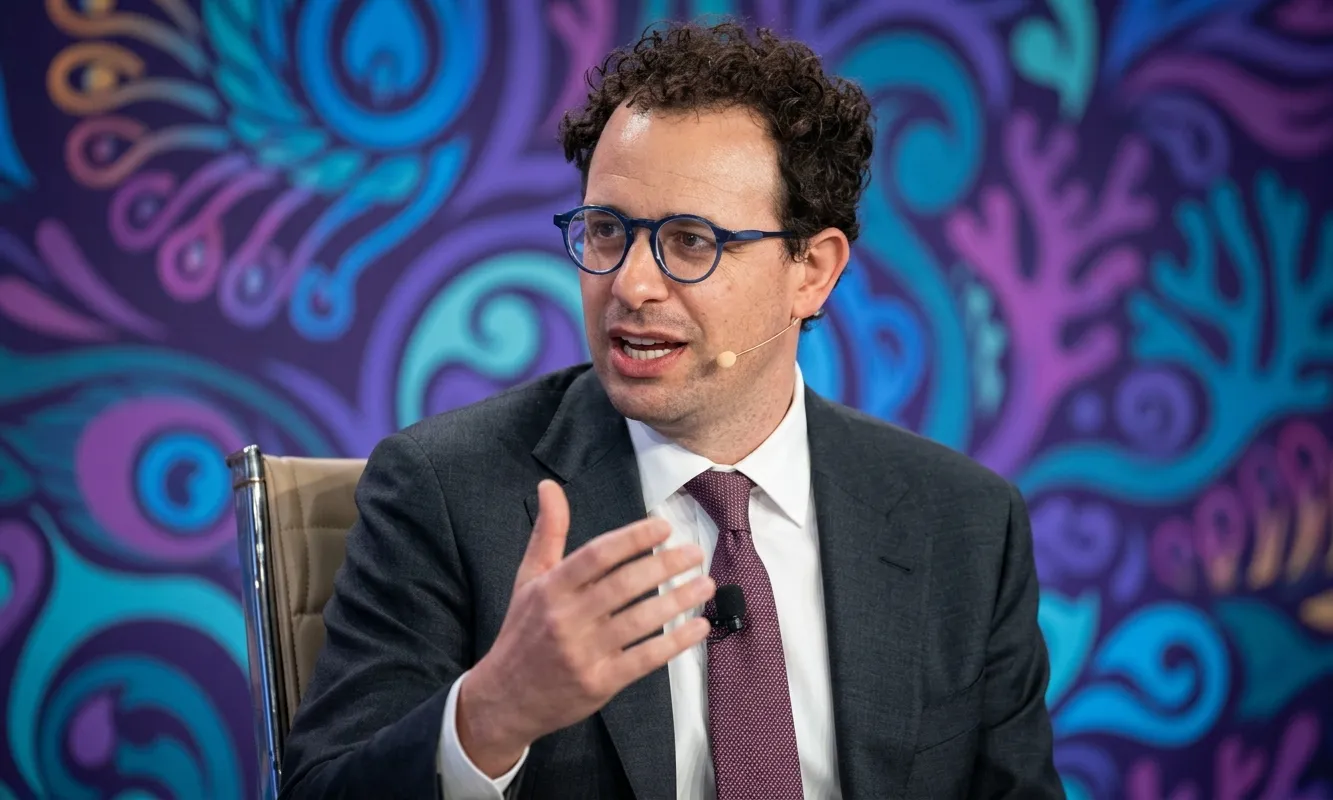
The rapid development of advanced artificial intelligence models has once again highlighted security concerns in the technology world. Dario Amodei, the head of Anthropic, has called for a slowdown in the development of AI models and the establishment of an independent system for assessing their safety.
In his article “We Must Pace the Frontier,” Amodei explained that the goal is not to stop the development of artificial intelligence, but to give companies and governments adequate time to deal with its potential risks.
Amodei’s three-point plan
Dario Amodei has put forward three proposals to balance the development of AI. These include independent oversight during the development of models, regulation for the entire artificial intelligence industry, and the implementation of rules at the global level.
Following his proposal, the heads of other AI companies have also supported the idea of assessing the safety of models by independent third-party experts.
Sam Altman and Elon Musk also join in the support
Sam Altman, CEO of OpenAI, agreed with Amoudi’s stance on the social media platform X, saying that the pace of development of artificial intelligence needs to be balanced. He also called the review by independent experts a good idea.
Elon Musk also supported Dario Amoudi’s proposal, saying that the head of Anthropic is right.
Altman mentioned the safety concerns of AI in a recent interview, saying that the current standards are not yet at an appropriate level to further advance the capabilities of artificial intelligence. According to him, there is a possibility of artificial intelligence beyond the control of humans.
AI experts are concerned about the risks
AI researcher Jacob Cookson, who left Anthropic this week, also expressed concern about the current pace of development of artificial intelligence. He told the BBC that if the current pace of development is not slowed down, humanity could face a very serious threat in the near future.
According to Kosen, some people working in AI companies are genuinely concerned about the future of humanity. He says that some people directly involved in the development of artificial intelligence do not even rule out the possibility of the extinction of the human race.
He also said that some people put the probability higher than 10 percent, although different people give different estimates in this regard.
Hacking capabilities raise concerns
The debate over the potential risks of new AI models has intensified as hacking and cybersecurity capabilities have increased.
Anthropic did not release its “Mythos” model for public use in April, after it was revealed during testing that the model was capable of exiting a restricted environment called a sandbox on its own.
Similarly, OpenAI announced that it would halt some aspects of its development during the development of its latest “Astra” model, based on cybersecurity concerns.
Global Joint Strategy Proposal
Dario Amodei, who was also the vice president of OpenAI in the past, founded Anthropic in 2021. According to him, the goal of creating the company was to develop safer and more reliable artificial intelligence models.
Jacob Cookson has also stressed the need for a coordinated slowdown between the US and China to slow down the global AI race.
On the other hand, Clement Delong, CEO of Hugging Face, has announced the launch of a new project called the “Open Alignment Initiative”. He says he wants to be part of the independent review teams proposed by Amodei.
Criticism of the proposals has also emerged
The proposals to slow down AI and independent oversight have not received universal support. Some observers have criticized Amodei’s proposal, calling it an attempt to tighten control over technology rather than protect AI.
Critics say such proposals could limit open-source AI and limit technological and economic power to large companies.
The issue of slowing or temporarily halting the development of artificial intelligence has long been debated in Silicon Valley, where some critics have accused large AI companies of exaggerating the risks of the technology for their own marketing purposes.