New auto policy draft ready, important suggestions on hybrid vehicles and cars with large engines
Published 1 hour ago | By Nouman Shakeel
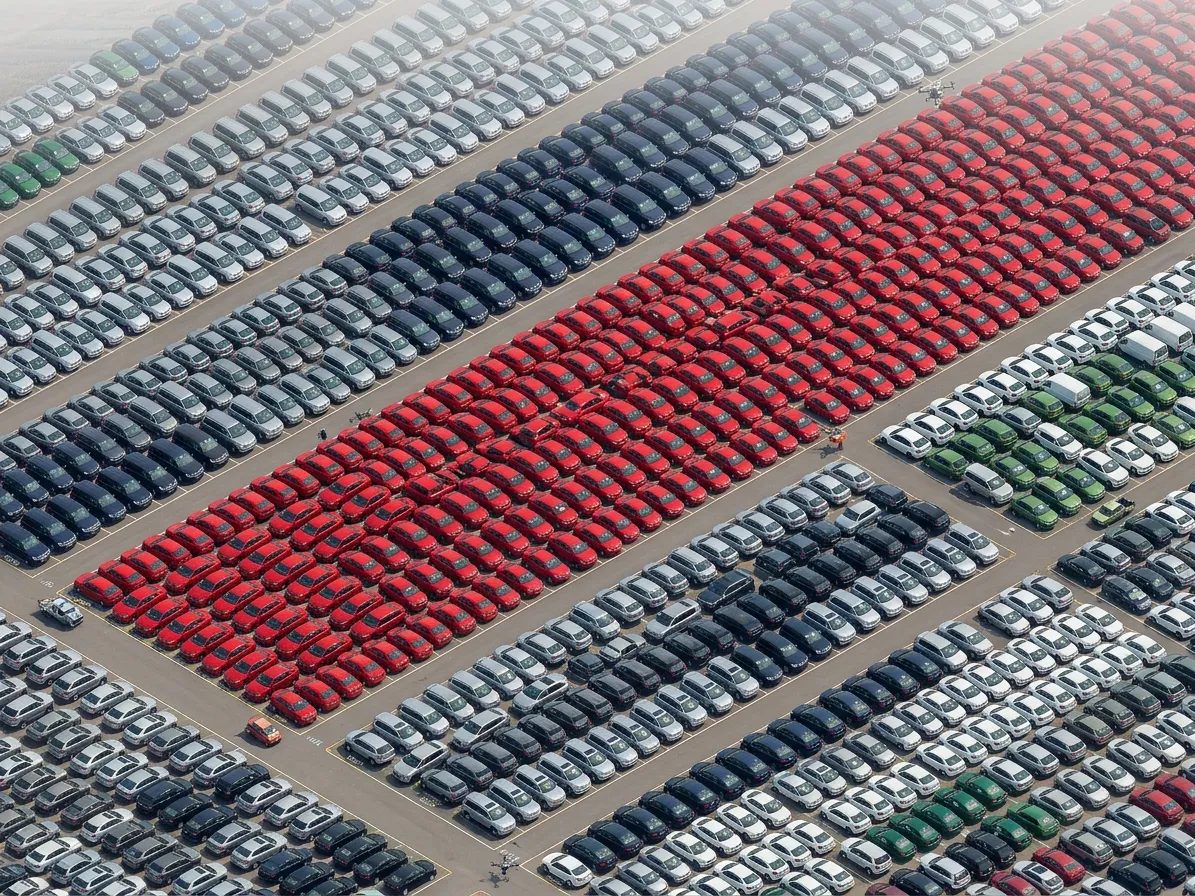
The government has drafted a new auto policy for 2026 to 2031 to boost investment and exports in Pakistan’s automobile industry. The policy, prepared by the Ministry of Industries and Production, is expected to be presented to Prime Minister Shehbaz Sharif for approval.
The proposed policy proposes to pave the way for importing hybrid vehicles at relatively low duties. A proposal to reduce the duty on hybrid vehicles up to 800 cc and 851 to 1000 cc from the current 50 percent to 30 percent is under consideration.
Proposals to reduce taxes and duties in other sectors of hybrid vehicles are also included. It has been proposed to reduce the duty on hybrid trucks and buses from 30 percent to 15 percent, while preparations are underway to reduce the duty on hybrid commercial vehicles from 60 percent to 30 percent.
Similarly, a proposal has been made to reduce the tax on the import of hybrid vehicles with engines of more than 1800 cc in stages over the next five years.
While the government intends to reduce the tax burden on the import of hybrid vehicles, on the other hand, a proposal to generate additional revenue by imposing an environmental levy on large vehicles is also under consideration.
According to the draft, a 10 percent environmental levy can be imposed on vehicles from 2001 to 3000 cc, while a 19.5 percent environmental levy can be imposed on vehicles with engines of 3001 cc or more. It is estimated that this levy will generate about Rs 142.79 billion in five years.
The proposed policy proposes to spend this money on areas such as exports, research and development of the auto sector, instead of limiting it to additional revenues.
The main objective of the government is to promote local vehicle manufacturing, new investments and the use of modern technology so that Pakistan is not limited to meeting local demand but also to make its place in the global market for vehicles and related products.
The new policy is expected to be approved by the IMF before being finalized. This will be followed by approval from the Economic Coordination Committee and the federal cabinet, after which the policy can be formally implemented.
If the proposed proposals are approved, new investment and export opportunities are expected to arise for the local auto industry in the next five years, along with a significant change in the tax structure in the hybrid vehicle sector.