New auto policy approved, plans to reduce duty on hybrid vehicles
Published 58 minutes ago | By Nouman Shakeel
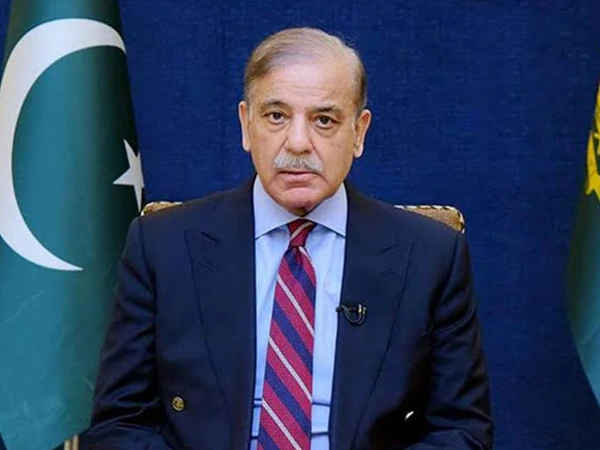
Prime Minister Shehbaz Sharif has given in-principle approval to the new Auto Policy 2026-31 prepared for Pakistan’s automobile industry, however, it will have to get approval from relevant forums including the IMF before its final implementation.
The draft of the new policy was reviewed in a meeting chaired by the Prime Minister. According to government sources, the main objective of the policy is to increase local vehicle production in the country, bring in new investments and create a better environment for exports of Pakistani-made vehicles.
Major changes for hybrid vehicles
The proposed policy includes a proposal for a phased reduction in the existing taxes and duties on the import of hybrid vehicles. A proposal to reduce the duty on hybrid vehicles from 851 to 1000 cc and up to 800 cc from 50 percent to 30 percent is under consideration.
Similarly, a phased reduction in import duties has been planned for hybrid vehicles from 1501 to 1800 cc and larger than 1801 cc over a period of five years. It has been proposed to reduce the duty on large hybrid vehicles from 50% to 30%.
Discounts on commercial vehicles too
Instead of being limited to ordinary passenger vehicles, the new policy also proposes a reduction in duty for hybrid commercial vehicles, trucks and buses.
It has been proposed to reduce the duty on hybrid trucks from 30% to 15%, the duty on hybrid commercial vehicles from 60% to 30%, and the duty on hybrid buses from 30% to 15%.
The government believes that these measures will promote the use of new technology and can help expand the market for more environmentally friendly vehicles in the country.
Environmental levy on large vehicles
The policy also includes a proposal to impose an environmental levy on vehicles with large engines to generate new sources of revenue.
Under the proposed plan, a 10 percent environmental levy can be imposed on vehicles from 2001 to 3000 cc and 19.5 percent on vehicles 3001 cc and above.
According to government estimates, this levy is expected to generate about Rs 142.79 billion over five years. This amount is proposed to be spent on increasing exports and research and development projects in the auto sector.
The policy now enters the next phase
According to sources, after the in-principle approval of the Prime Minister, the draft auto policy will be shared with the IMF. After the IMF’s approval, it will be presented before the Economic Coordination Committee.
After this, approval will be obtained from the federal cabinet and the stage of presenting the policy before the parliament will come. Thus, the final implementation of the new auto policy will be possible after the completion of all these stages.
Through the new policy, the government is trying to transform the local automobile industry into an export industry, increase local manufacturing, and promote modern automotive technology in Pakistan, rather than limiting it to the domestic market.