New auto policy, proposal to reduce vehicle prices and not increase prices after booking
Published 2 hours ago | By Nouman Shakeel
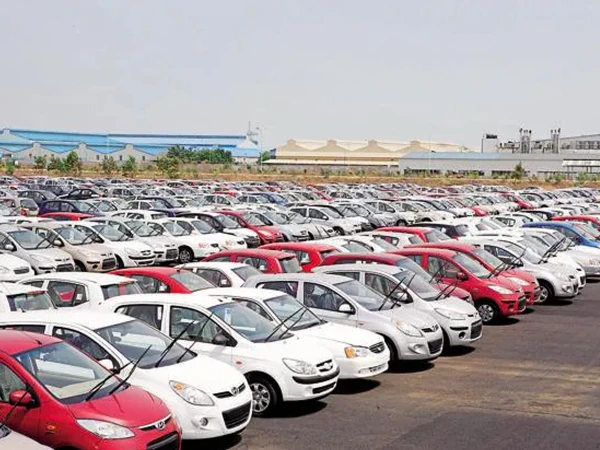
Under the new five-year auto policy, significant changes have been proposed for consumers buying vehicles related to price and delivery. After the implementation of the policy, the prices of local vehicles are likely to decrease, while it has been proposed to impose the responsibility for subsequent increases in the price fixed at the time of booking on the vehicle manufacturer.
According to sources, the federal government has shared the final draft of the auto policy 2026-31 with the IMF. After completing consultations with the IMF, it will be presented for approval by the Economic Coordination Committee and the federal cabinet.
The proposed policy proposes to implement six principles on vehicle manufacturers to protect consumers. These include informing the customer about the delivery date of the vehicle at the time of booking, while in case of an increase in the price after booking, the company will be responsible for it.
Several incentives have also been included to promote the auto sector. It is proposed to reduce customs duty on ordinary vehicles by up to 80 percent in phases, while it has been recommended to exempt electric vehicles from federal excise duty, capital value tax and withholding tax. It has also been proposed to keep only one percent customs duty on equipment for charging stations of electric vehicles.
It has been recommended to increase the loan limit for those buying electric vehicles to Rs 10 million and the loan tenure to five years. On the other hand, it is proposed to set an export target of 15 percent for the auto parts sector, including tractor, motorcycle and rickshaw manufacturing companies, and 20 percent for car manufacturing companies. If the set targets are not met, additional customs duty will have to be paid.
The government has estimated that the new policy will generate a total financial benefit of Rs 1,764 billion over five years. This includes a net profit of Rs 288 billion and an additional revenue of Rs 485 billion in the form of federal excise duty.
The policy is also expected to save more than Rs 1226 billion on fuel imports. After the Prime Minister's approval, the final draft of the policy has been sent to the IMF, after which it will have to go through the approval stages of the ECC and the federal cabinet.