Pakistan's textile exports have reached $18 billion
Published 2 hours ago | By Nouman Shakeel
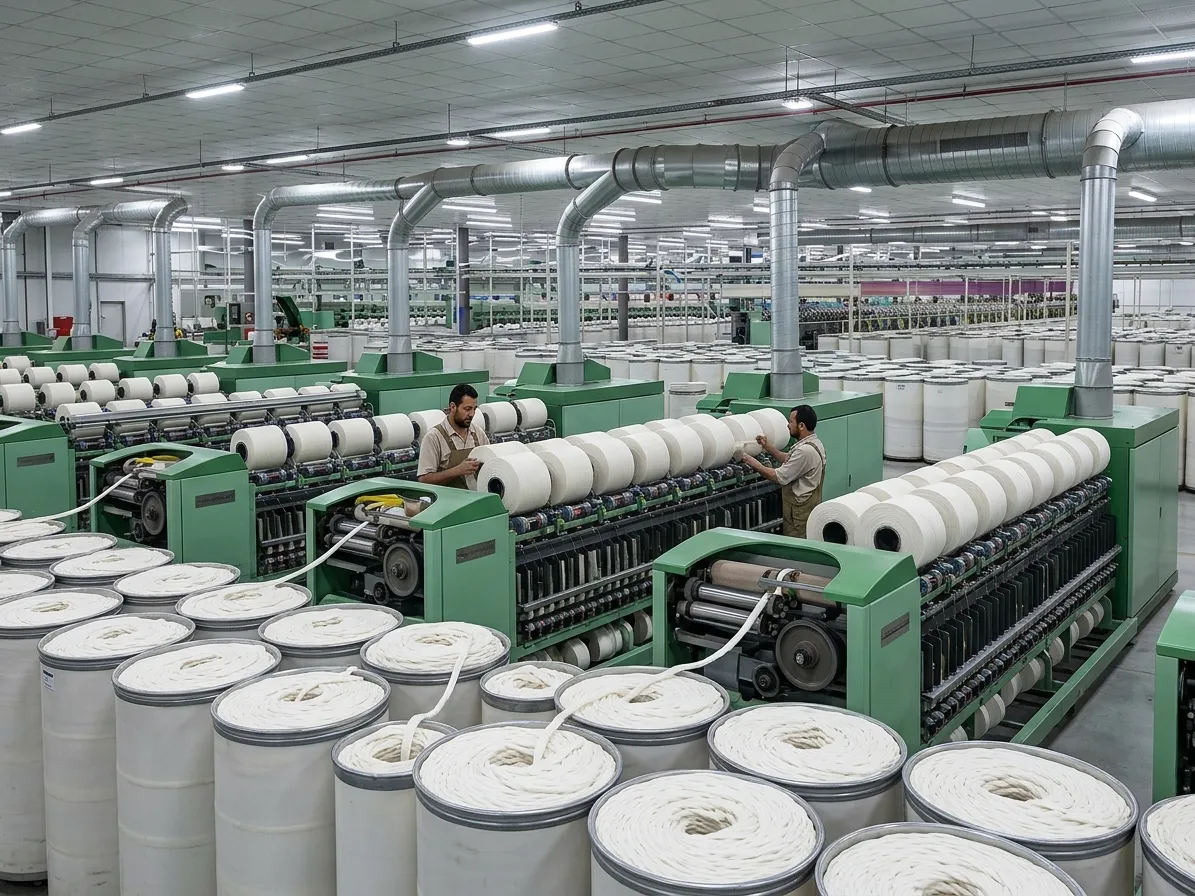
Pakistan's textile exports rose slightly to reach $18 billion during the 2025-26 fiscal year, marking a four-year high. However, the country's overall exports recorded a decline during the same period.
According to the Pakistan Textile Council's inaugural annual export performance report, textile and apparel exports grew by 0.3 percent year-on-year. In contrast, Pakistan's total national exports fell by 5.9 percent to $30.14 billion. Consequently, textiles' share of the country's total exports rose to approximately 60 percent.
Apparel and Home Textiles Drove the Bulk of Exports
The overall growth in the textile sector's performance was primarily driven by an increase in exports of apparel and home textile "made-ups." Exports of these products—categorized under Chapters 61 to 63—rose by 1.1 percent to $14.98 billion, accounting for 83.2 percent of total textile exports.
Five years ago, in the 2021-22 fiscal year, these same products constituted 77 percent of textile exports.
Conversely, exports of raw materials and intermediate products declined by 3.4 percent, settling at $3.03 billion—a level the report identifies as a five-year low.
However, a significant increase was observed in exports of non-knit apparel. This segment grew by 3.9 percent, reaching a record high of $4.295 billion. During this period, exports of men's cotton trousers rose by 19 percent, while exports of women's cotton trousers increased by 54 percent. Home Textiles: The Largest Export Category
Home textiles and made-ups remained the largest single-chapter category within the textile sector, with exports totaling $5.705 billion, although the year-on-year growth was a mere 0.6 percent.
The trend for knitwear was the opposite; exports in this category declined by 0.7 percent, settling at $4.979 billion.
The European Union remained the largest destination for textile products, with Pakistan exporting goods worth $7.103 billion to the bloc. However, this figure is lower than the $7.248 billion recorded the previous year.
Textile exports to the United States reached $4.853 billion, while goods worth $1.730 billion were shipped to the United Kingdom. Exports to China rose to $644 million, and exports to Bangladesh remained virtually stable at $620 million. Exports of cotton yarn and fabric were the primary drivers of growth in both markets.
Decline in Cotton Production a Cause for Concern
According to Muhammad Hassan Shafqat, CEO of the Pakistan Textile Council, the marginal increase in exports indicates that Pakistan's textile sector retains the ability to maintain its position in the global market; however, the availability of raw materials—particularly cotton—is becoming a major issue.
He noted that domestic cotton production in the last season stood at just 5.5 million bales, the lowest level in nearly three decades. In contrast, cotton production had reached a peak of 14.8 million bales during the 2011-12 fiscal year. This significant gap in cotton production is now being bridged through imports, making the availability of raw materials a major challenge for the local textile industry.
Pressure of Orders at the Start of the New Fiscal Year
Data from June 2026 also points to a cautious outlook for the sector. Textile and garment exports for the month stood at $1.27 billion—a decline of 17% compared to June of the previous year and 23% compared to May.
According to the Council, this decline indicates a sluggish flow of new orders at the onset of the 2026-27 fiscal year.
Proposals to Enhance Export Competitiveness
The Pakistan Textile Council has also presented 11 phased recommendations regarding the new fiscal policy. These proposals include reducing corporate income tax to 15% and accelerating the payment process for sales tax and income tax refunds by automating them.
The Council has also recommended competitive energy rates relative to the region, reliable supplies of electricity and other energy sources, improved financing options, and easier access to credit for small and medium-sized enterprises (SMEs).
Furthermore, emphasis has been placed on facilitating indirect exporters, ensuring the long-term continuation of GSP Plus status, pursuing free trade agreements with the US and the UK, and securing competitive freight rates alongside reduced shipping times. A proposal to enhance the capacity of the Pakistan National Shipping Corporation is also included in these recommendations.
For the cotton sector, the Council has stressed the need to formulate a distinct national strategy. This strategy encompasses the provision of quality seeds, the digitalization of farmers, and ensuring traceability in production. According to the council, these recommendations will form the basis of its policy advocacy agenda during the 2026-27 fiscal year.
| Market | Textile Exports |
|---|---|
| European Union | $7.103 billion |
| United States | $4.853 billion |
| United Kingdom | $1.730 billion |
| China | $644 million |
| Bangladesh | $620 million |