Savings of Rs 16.8 billion expected from the government's austerity drive
Published 1 hour ago | By Nouman Shakeel
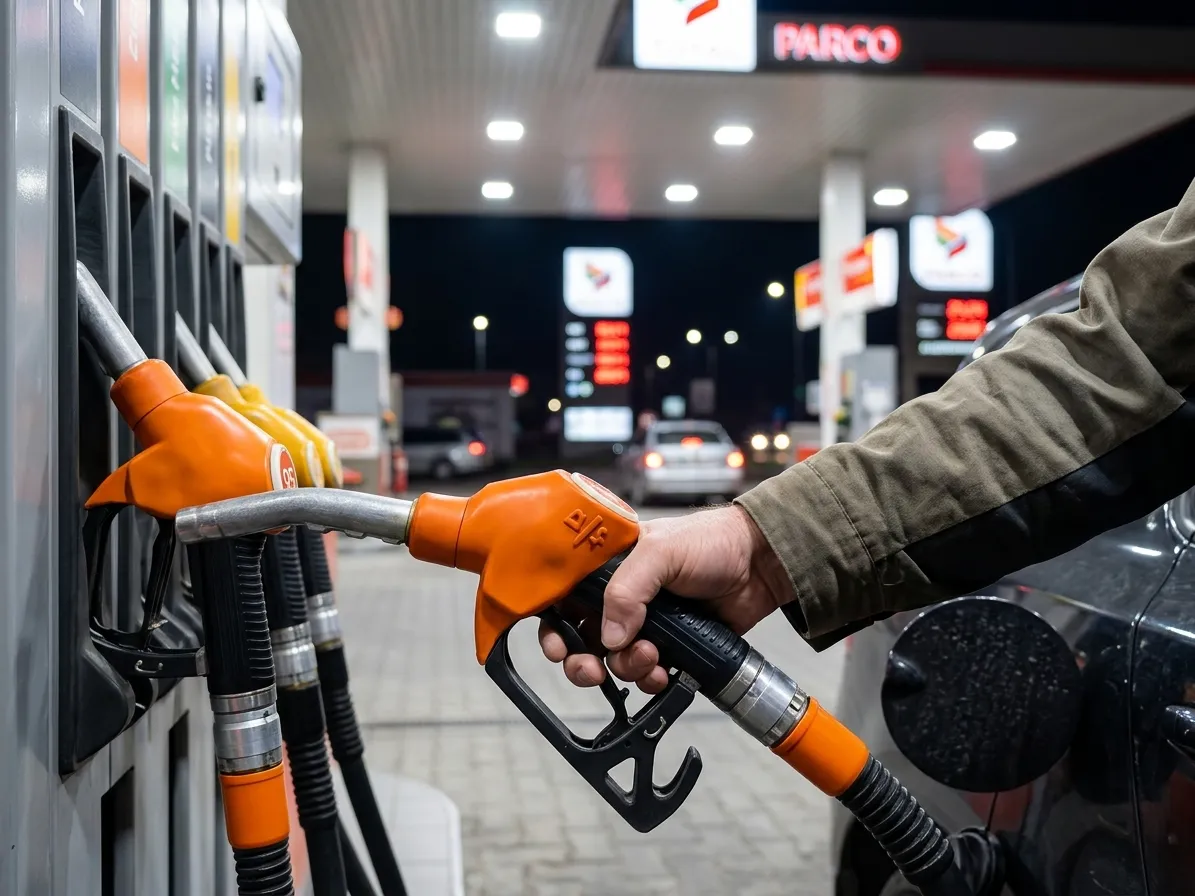
Under the federal government's new austerity drive, a saving of Rs16.8 billion is estimated through a reduction in government expenditures; however, cutting fuel allocations for government vehicles by 50 percent is expected to save only Rs700 million over a three-month period.
Federal Finance Secretary Imdadullah Bosal, while briefing the National Assembly's Standing Committee on Finance on the completion of two years of the IMF program, stated that halving fuel supplies for government vehicles would yield savings of Rs700 million, whereas a 5 percent cut in non-salary expenditures for one year would save Rs16.1 billion.
The committee meeting was chaired by the Pakistan People's Party's (PPP) Syed Naveed Qamar. During the proceedings, PPP MNA Hina Rabbani Khar questioned whether the government's austerity drive was merely a token gesture; however, the Finance Secretary did not provide a direct answer to this question.
Failure to fully implement certain IMF conditions
Imdadullah Bosal, who also serves as the government's chief negotiator with the IMF, informed the committee that while the overall implementation of the IMF program has been robust, certain conditions could not be met as stipulated.
Regarding the deregulation policy for the sugar sector, he noted that three provinces have reached a consensus, while one province still harbors reservations; discussions are ongoing to address these concerns.
Under an IMF condition, federal and provincial governments were required to agree on a national policy to deregulate the sugar market, with approval from the federal cabinet mandated by June of this year. The proposed policy includes reforms regarding licensing, price controls, import-export authorizations, and zoning; however, the government failed to approve it within the stipulated timeframe.
Impact on Agricultural Income Tax and Health & Education Targets
The committee was informed that progress on the IMF condition regarding the collection of agricultural income tax has also been sluggish. The IMF also held a meeting with the Sindh government concerning this specific issue.
Citing the 'Trader-Friendly Scheme' and the agricultural income tax scheme, Syed Naveed Qamar remarked that people cannot be compelled to pay taxes simply by raising the tax rate on agricultural income from 15% to 45%.
The Finance Secretary also acknowledged that targets related to the health and education sectors could not be met because certain provinces failed to incur the allocated expenditures.
Conditions Regarding State-Owned Entities and Corruption
Under the IMF program, the requirement to align the laws of nine additional state-owned entities with the State-Owned Enterprises Act also remained unfulfilled.
Regarding the condition to mitigate corruption risks, the Finance Secretary stated that the Prime Minister has tasked the Federal Minister for Law and Justice and the National Accountability Bureau (NAB) with preparing an action plan for ten government departments identified as having the highest risk of corruption.
| Austerity Measure | Expected Saving | Time Period |
|---|---|---|
| 50% Reduction in Fuel for Government Vehicles | Rs 700 Million | 3 Months |
| 5% Reduction in Non-Salary Expenditure | Rs 16.1 Billion | 1 Year |
| Total Expected Savings | Rs 16.8 Billion | Overall |