Pakistan's economic growth rate stands at 3.7 percent; significant increase in private investment
Published 1 hour ago | By Nouman Shakeel
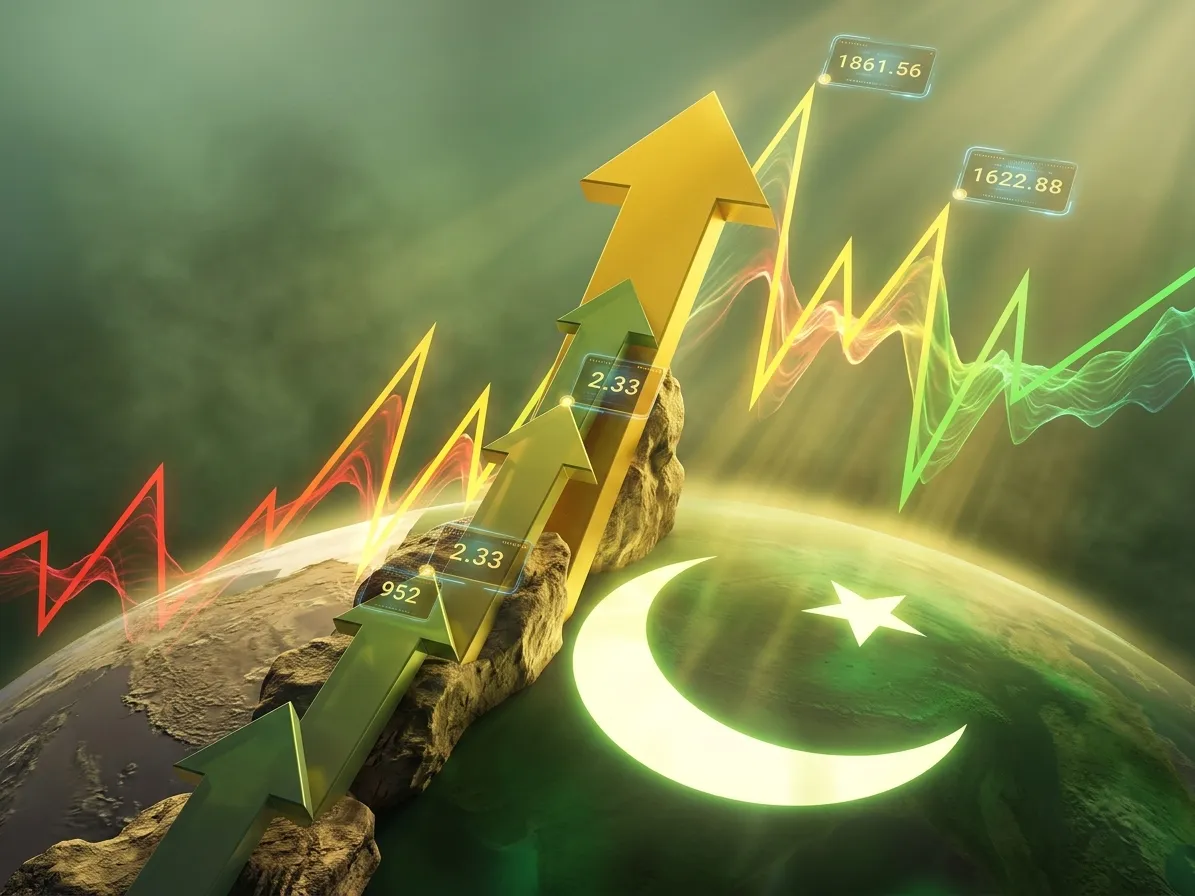
Pakistan's economy performed better in fiscal year 2026 compared to the previous year. According to the Asian Development Bank (ADB), the country's economic growth rate reached 3.7 percent, up from 3.2 percent in fiscal year 2025. The bank has also projected a growth rate of 3.7 percent for fiscal year 2027.
The services, manufacturing, and agriculture sectors, along with private investment, drove this improvement in economic activity. Despite flood-related losses, the agricultural sector recorded a growth rate of 2.9 percent in fiscal year 2026.
8.6% Increase in Private Investment
According to the ADB, private investment in Pakistan rose by 8.6 percent during fiscal year 2026. An increase in total foreign exchange reserves also bolstered the country's external financial resilience.
During this period, S&P and Moody's upgraded Pakistan's sovereign credit ratings. Pakistan also regained access to global capital markets through Eurobonds and Panda bonds in April and May 2026.
Inflation and the Outlook for the Coming Year
Average inflation in Pakistan stood at 7.1 percent in fiscal year 2026, while the ADB projects it to reach 8.3 percent in fiscal year 2027. This rate exceeds the State Bank's target range of 5 to 7 percent.
| Economic Indicator | FY2025 | FY2026 | FY2027 Forecast |
|---|---|---|---|
| Economic Growth | 3.2% | 3.7% | 3.7% |
| Average Inflation | - | 7.1% | 8.3% |
| Agriculture Growth | - | 2.9% | - |
| Private Investment Growth | - | 8.6% | - |
Threats to the economy
ADB has also identified several potential threats to Pakistan's economy. Intensification of conflict in the Middle East could increase energy import costs for Pakistan. Similarly, if employment in the Gulf countries is affected, the remittances coming to Pakistan may also be affected.
According to the report, the government's re-austerity measures may impact the pace of economic activity, while global financial conditions, tax revenues and climate risks also remain challenges to the economic landscape.
ADB has also cited delays in reforms in the energy sector and government institutions as risks. According to the report, sustained implementation of reforms will be important to maintain fiscal and external stability.